
Sea Fishing in Ireland — The Complete Guide
3,100 kilometres of coastline, over 100 saltwater species and no licence required. From mackerel off a summer pier to bass in a winter surf, this guide covers where to go, what to catch, when to catch it — and links every one of our 355+ mapped shore marks.
Why Ireland Is a Sea Angler's Paradise
Ireland sits on the edge of the continental shelf, washed by the warm North Atlantic Drift. The result is one of the richest inshore fisheries in Europe: clean water, huge tides, and fish that arrive in genuine numbers. The Irish Specimen Fish Committee recognises over 100 saltwater species, from humble dab to blue shark and — since the tagging programme began — giant bluefin tuna off Donegal.
Sea fishing here is free. No licence, no permit, no rod tax. You can walk onto almost any pier, beach or rock mark in the country and fish. The only special case is bass, which is protected by catch limits and a closed season (details in the regulations section below).
The variety is the real draw. In a single summer week you could catch mackerel and pollack from a Kerry rock ledge, wrestle a conger from a Cork pier at night, stalk mullet in a Galway estuary and stand in a Wexford surf waiting for the pull of a bass. Few countries in Europe offer that range within a day's drive.
Quick Facts
- 3,100 km of coastline
- 100+ saltwater species
- 355+ mapped shore marks on this site
- No licence needed for sea species
- Fishing 12 months of the year
- Bluefin tuna tagging fishery (Donegal)
Shore, Boat or Kayak — Ways to Fish the Irish Coast
Shore Fishing
The heart of Irish sea angling, and where nearly everyone starts. Piers and harbour walls give safe, easy fishing for mackerel, pollack, wrasse and conger. Storm beaches — Inch, Rossbeigh, the Wexford coast — are bass country: fish the surf tables two hours either side of high water. Rock marks produce the biggest shore fish of all, but always fish them with company, watch the swell, and never turn your back on the Atlantic.
We have mapped 355+ shore marks around the coast, each with access notes, target species and best conditions — every mark description written by us, for this site.
Inshore & Charter Boat Fishing
Charter skippers operate from every major harbour — Cork Harbour, Kinsale, Dingle, Westport, Killybegs, Howth. Inshore trips over reefs and banks produce pollack, cod, ling and ray; wreck trips add big conger and coalfish; and specialist trips target blue shark, tope, common skate and — in season, from Donegal — catch-and-release bluefin tuna. A day's charter typically splits among 8–10 anglers, with rods and tackle usually available to hire.
Kayak & Small-Boat Fishing
The fastest-growing branch of the sport. A kayak opens up ground no shore angler can reach and no charter bothers with — inshore reefs alive with pollack and wrasse. Sheltered bays like Cork Harbour, Clew Bay and Strangford Lough are ideal starting waters. Wear a lifejacket, carry a VHF or PLB, and tell someone your plan before launching.
Irish Sea Fishing Species
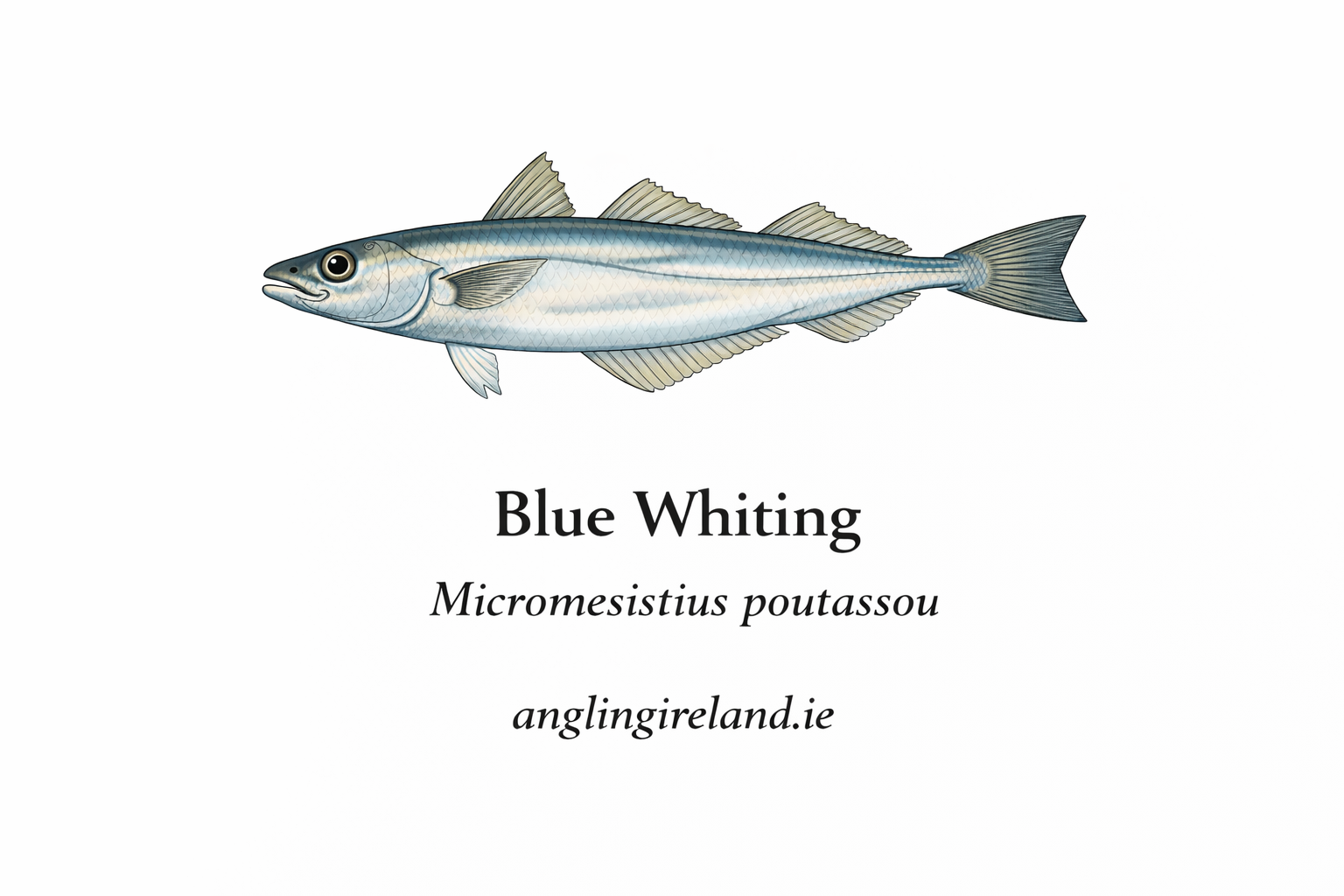
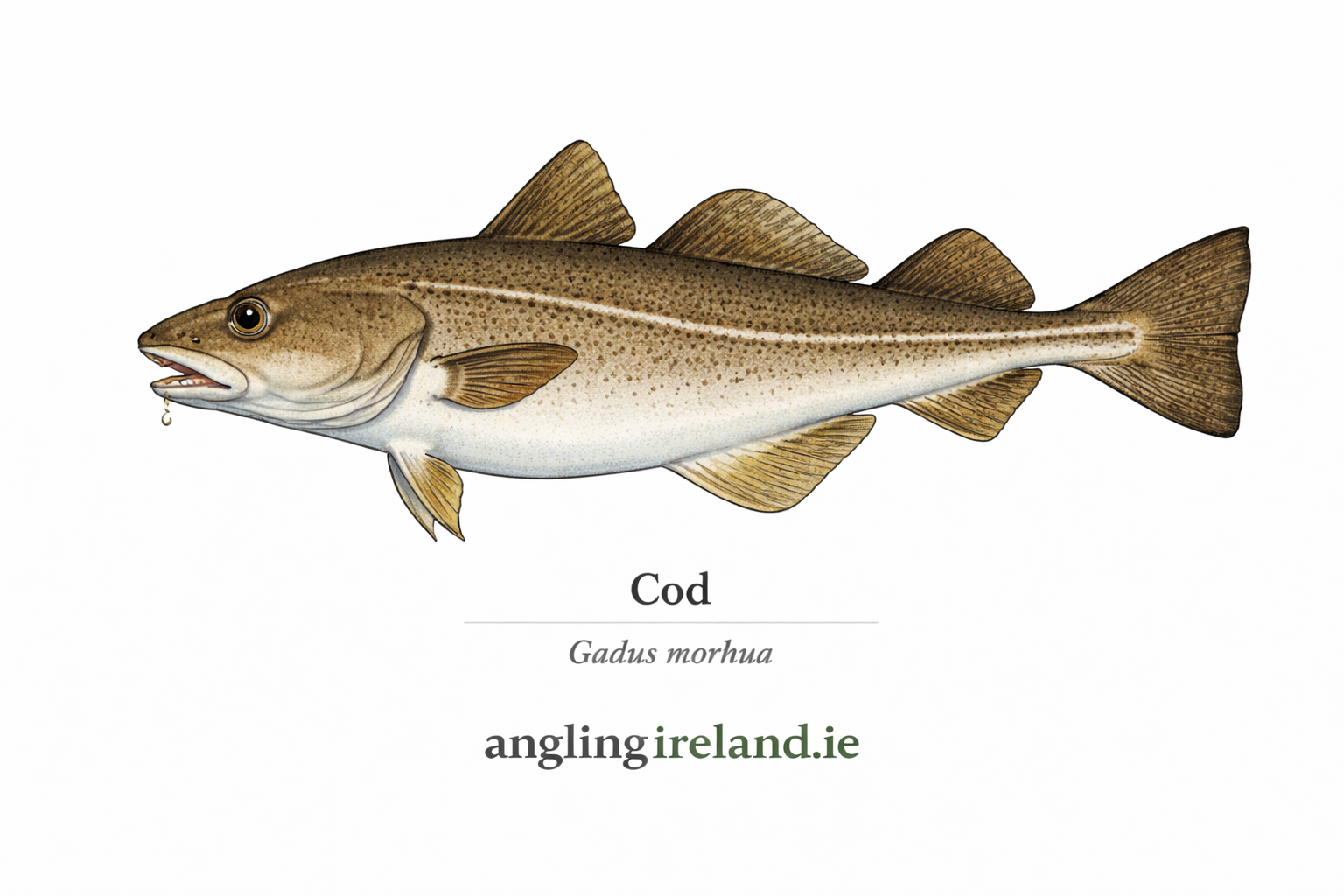
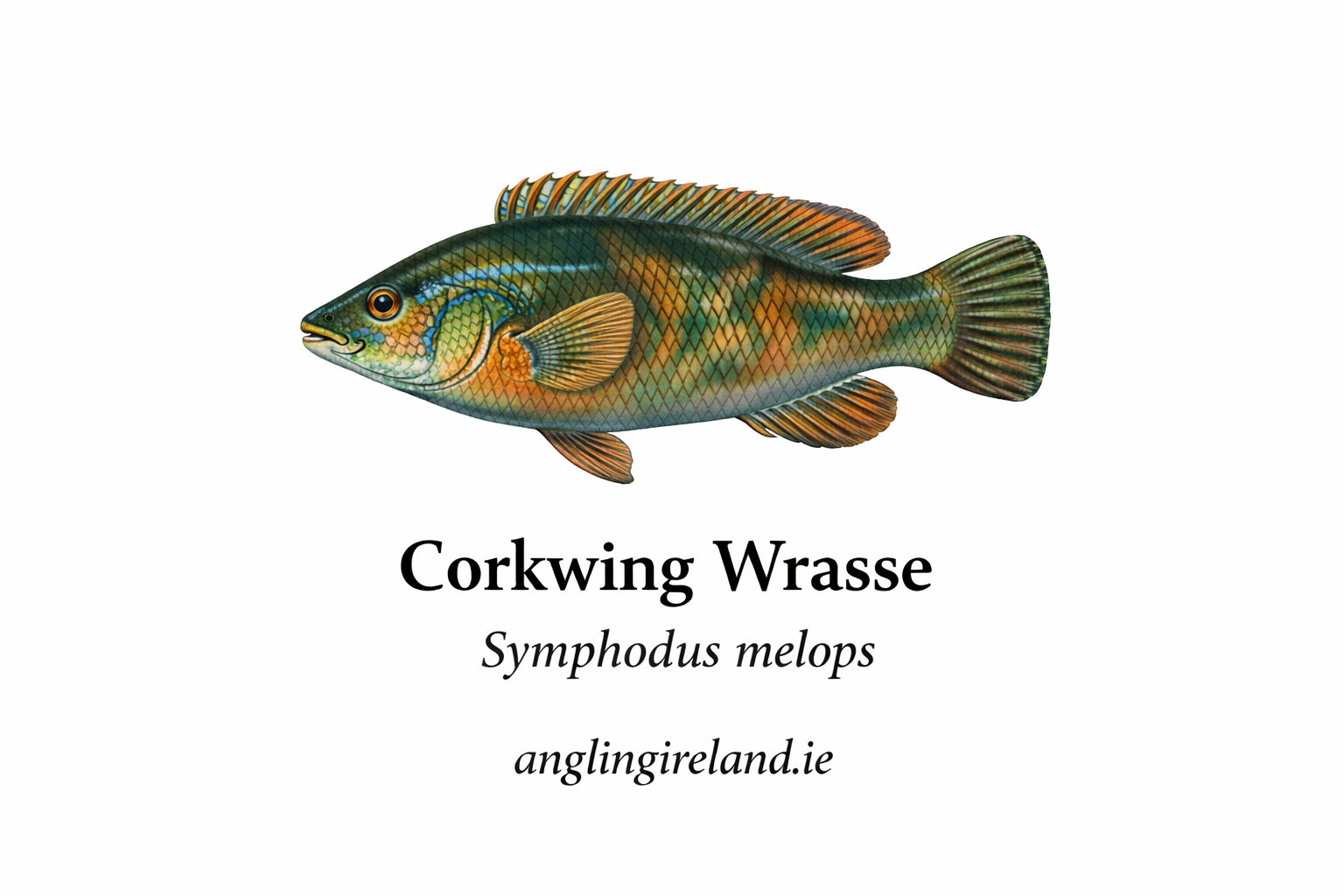
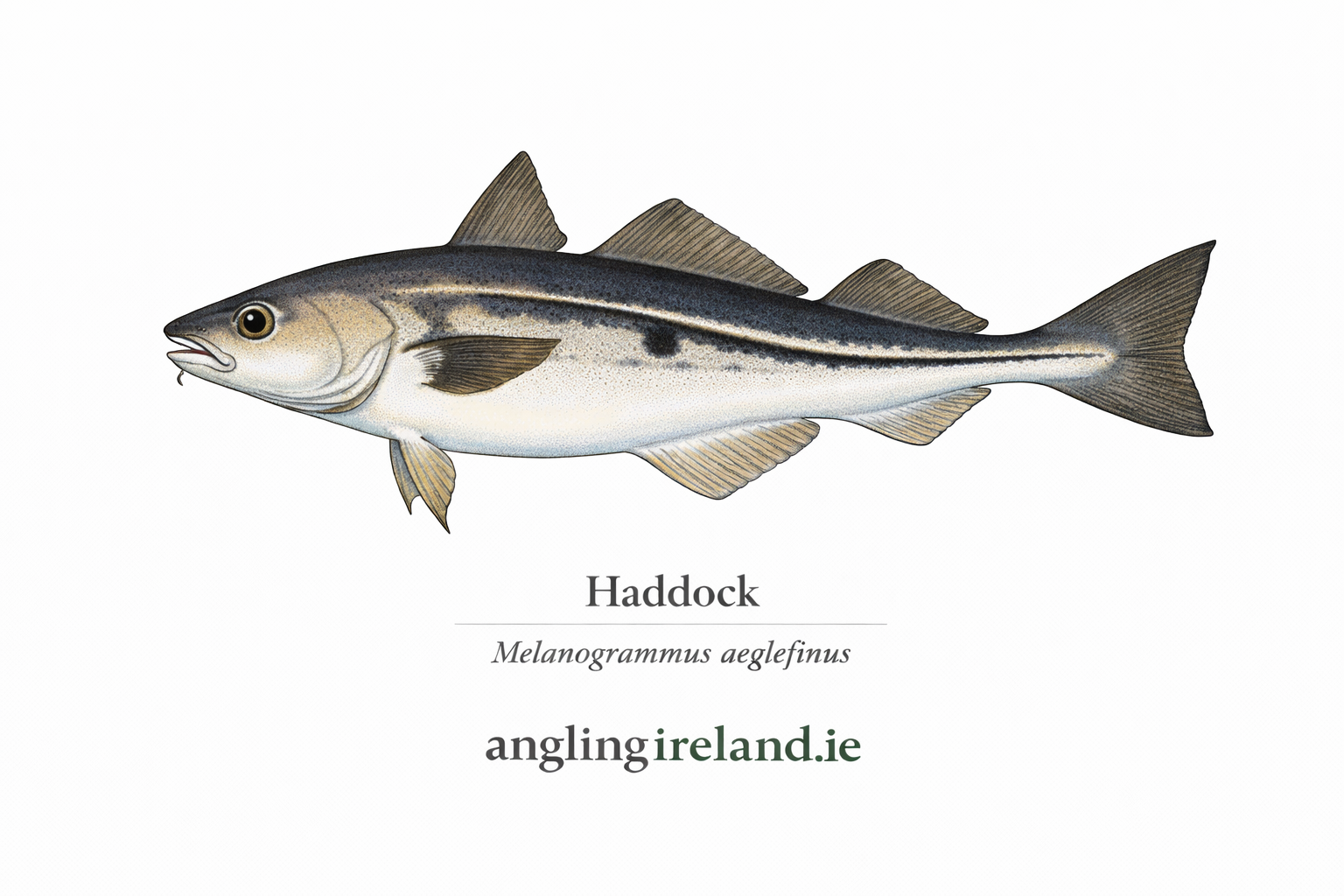
These are the saltwater species in our encyclopedia — each links to a full page with identification, methods, baits and where to catch them.








When to Fish: The Irish Sea Angling Calendar
The single most-asked question in Irish sea fishing is "when is mackerel season?" — so here is the whole year at a glance.
| Season | What's In | Where to Focus |
|---|---|---|
| Spring (Mar–May) | Ray and dogfish wake up first; plaice arrive on the sandbanks in April; the first bass follow the sprat inshore in May; early tope in the estuaries. | South and east coast beaches; the Shannon Estuary for ray. |
| Summer (Jun–Aug) | Mackerel from late May to October, peaking July–September. Pollack, ballan wrasse and coalfish on every rock mark; mullet in the harbours; smoothhound and tope from the beaches; blue shark offshore; bluefin tagging opens off Donegal. | Everywhere — this is the peak. West-coast rock marks are at their best. |
| Autumn (Sep–Nov) | The best bass surf fishing of the year after the equinox gales; mackerel linger into October; whiting and codling start on the east coast; big conger at night. | Storm beaches of Kerry, Cork and Wexford for bass; Dublin piers for whiting. |
| Winter (Dec–Feb) | Whiting, codling, dab and flounder keep shore anglers busy; big conger and huge shoals of coalfish for those who brave the cold; spurdog runs in the north-west. | East-coast piers and estuaries; flounder in every muddy creek. |
Before you travel, check conditions with our fishing forecast — wind, swell, tides and the best fishing windows for the day.
The Best Sea Fishing by County
Every county below links to its mapped shore marks, with access notes and target species for each one.
Cork
Ireland's biggest sea-angling county: Cork Harbour's sheltered piers, the surf beaches of West Cork and deep rock marks around Baltimore.
View Cork shore marksKerry
The Dingle Peninsula and Ring of Kerry hold legendary storm beaches — Inch and Rossbeigh for bass, deep rock ledges for pollack and wrasse.
View Kerry shore marksMayo
Clew Bay and the Belmullet Peninsula: huge tides, clean Atlantic water and some of the best shore fishing for tope and ray in Europe.
View Mayo shore marksDonegal
From Killybegs to Malin Head — big pollack and coalfish from the rocks, and the home port of Ireland's bluefin tuna fishery.
View Donegal shore marksWaterford
The Copper Coast and Dungarvan Bay: reliable bass surf beaches, flounder estuaries and easy access piers.
View Waterford shore marksWexford
Long storm beaches on the south-east corner — bass, smoothhound and summer tope with the sun on your back.
View Wexford shore marksDublin
Serious fishing inside the capital: Dún Laoghaire's piers, Howth Head's rock marks and Dollymount Strand's flatfish.
View Dublin shore marksClare
The Loop Head cliffs and the Shannon Estuary — dramatic deep-water rock fishing and Ireland's most consistent big-ray mark.
View Clare shore marksRules, Bass Regulations & Conservation
Sea fishing in Ireland needs no licence, but a few rules matter:
- Bass are specially protected, with bag and minimum-size limits that are reviewed yearly under EU rules — always check the current bass regulations before retaining a fish. Commercial bass fishing is banned in Irish waters — a big reason the fishery is so good.
- Sea trout caught from the shore require a State salmon/sea-trout licence — relevant on west-coast storm beaches where they turn up in the surf.
- Bluefin tuna may only be targeted through the authorised catch-tag-release programme.
- Minimum sizes apply to several species. When in doubt, return the fish — and consider returning wrasse, tope, ray and skate regardless: they are slow-growing and every returned fish protects the mark you caught it from.
Full details on our sea angling regulations page. If you see pollution, poaching or a fish kill, call Inland Fisheries Ireland's 24-hour hotline: 0818 34 74 24.
Stay Safe on the Shore
- Check tides before fishing any rock mark or sandbar
- Never fish exposed rocks in a big swell — no fish is worth it
- Wear a flotation suit or lifejacket on rock marks
- Tell someone where you are going and when you'll be back
- Coast Guard emergency: dial 112 and ask for the Coast Guard
Getting Started: Your First Irish Sea Fishing Trip
Start with mackerel from a pier in summer. One 8–9 ft spinning rod, a 4000-size reel, 20 lb braid and a packet of mackerel feathers — about €80 all-in — will catch fish on your very first evening between June and September. It is the single best introduction to sea fishing there is.
From there, branch out. The same spinning rod handles pollack and wrasse on soft plastic lures from the rocks. Add a basic beachcaster and a bucket of lugworm and the winter whiting, flounder and codling are yours. Bass on lures — the sport that draws anglers from across Europe — needs nothing more than that first spinning rod and a handful of shallow divers.
Not sure what you've caught? Log it on Angling Ireland and build your species tally — with over 100 saltwater species out there, plenty of members are chasing them all.
Starter Checklist
- 8–9 ft spinning rod + 4000 reel
- Mackerel feathers, 20–40 g lures
- Long-nose pliers & a cloth
- Tide times for your mark
- A cool bag — fresh mackerel is superb eating
Sea Fishing in Ireland — FAQ
Do I need a licence for sea fishing in Ireland?
No. Sea fishing is completely free — no licence or permit is needed for any shore mark, pier or beach. The exceptions: salmon and sea trout need a State licence even from the shore, and bass have conservation rules (bag and size limits reviewed yearly — check the current rules).
When is mackerel season in Ireland?
Late May to October, peaking July to September. In high summer, almost any pier or rock mark produces mackerel on feathers or small lures, especially around high tide in the evening.
Where is the best sea fishing in Ireland?
The Atlantic coast leads: Cork and Kerry for bass and wrasse, Mayo and Donegal for pollack, tope and ray, Clare for deep rock marks. The east coast holds its own with whiting, codling and flatfish through autumn and winter from the Dublin and Wicklow piers.
What can you catch from the shore?
Mackerel, pollack, ballan wrasse, bass, coalfish, dogfish, flounder, plaice, whiting, dab and mullet are the everyday catches — with conger, ray, tope and smoothhound from the right marks. Over 100 saltwater species have been recorded in Irish waters.

Angling Ireland — Sea Fishing, now on Android
Shore marks, species guides, tides and the fishing forecast — free in your pocket. Get it from Google Play.

Explore More on Angling Ireland
Join Ireland's Sea Angling Community
Log your catches, track your species tally, find new marks and connect with sea anglers around the coast — free.
Join Angling Ireland Free